Investor Pitch · Confidential
Project Haro
A high-end digital boutique suites concept in the heart of Rioja Alta — nine design suites appointed with premium furniture and elevated comfort, operated with a discreet digital layer and a concierge built around winery access and destination experiences.
00 · Full deck
The complete investor pitch.
The full deck is embedded below. Should it fail to render inline in your browser, the PDF can be opened in a new tab or downloaded directly.
00 · Floor plans
Nine suites across three floors.
The property has been configured as a nine-key boutique hospitality asset across three levels — one ground-floor suite and four suites on each of the upper floors. Each suite is designed to combine the privacy and comfort of an apartment stay with the consistency and operational clarity of a boutique hotel format.
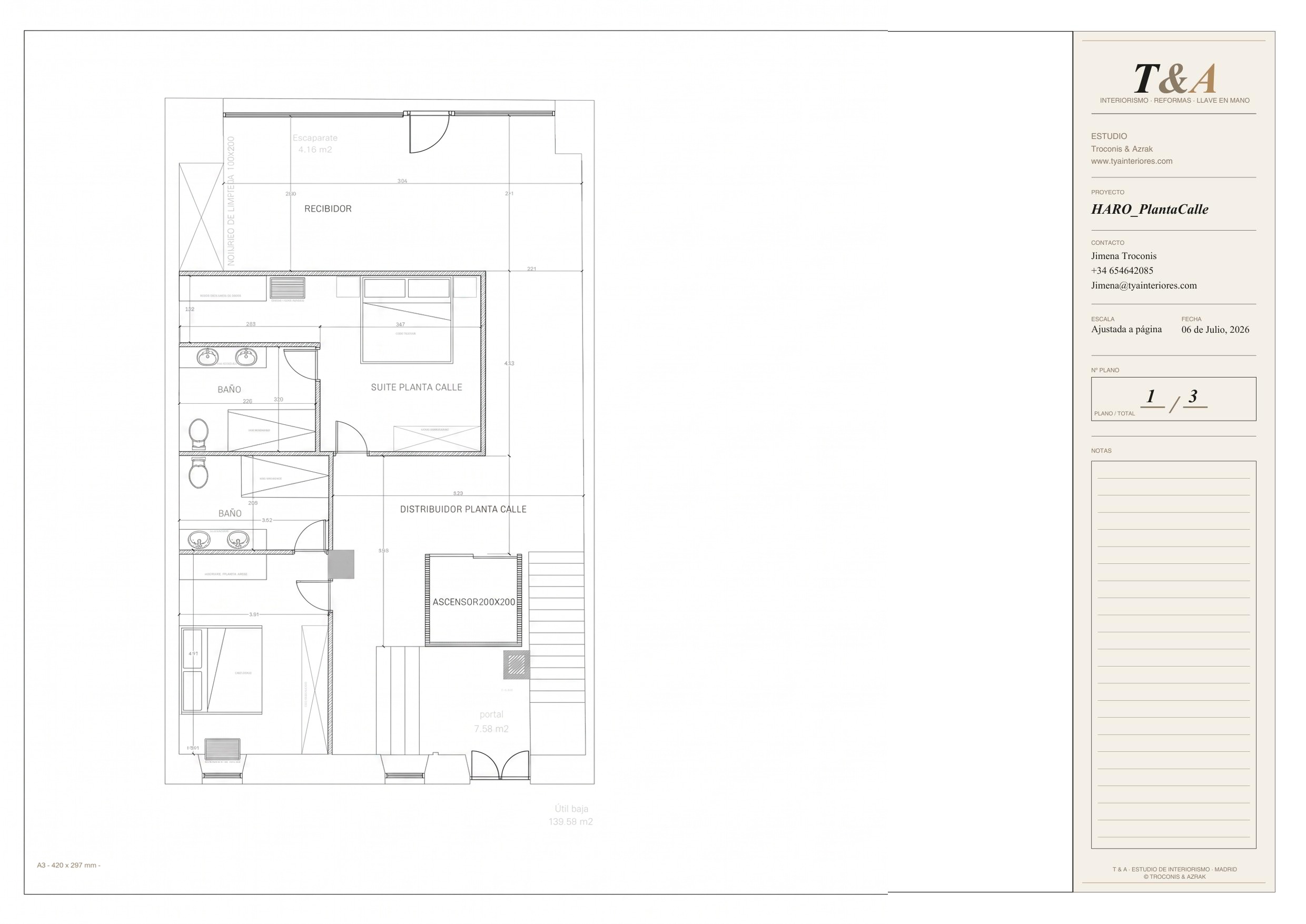
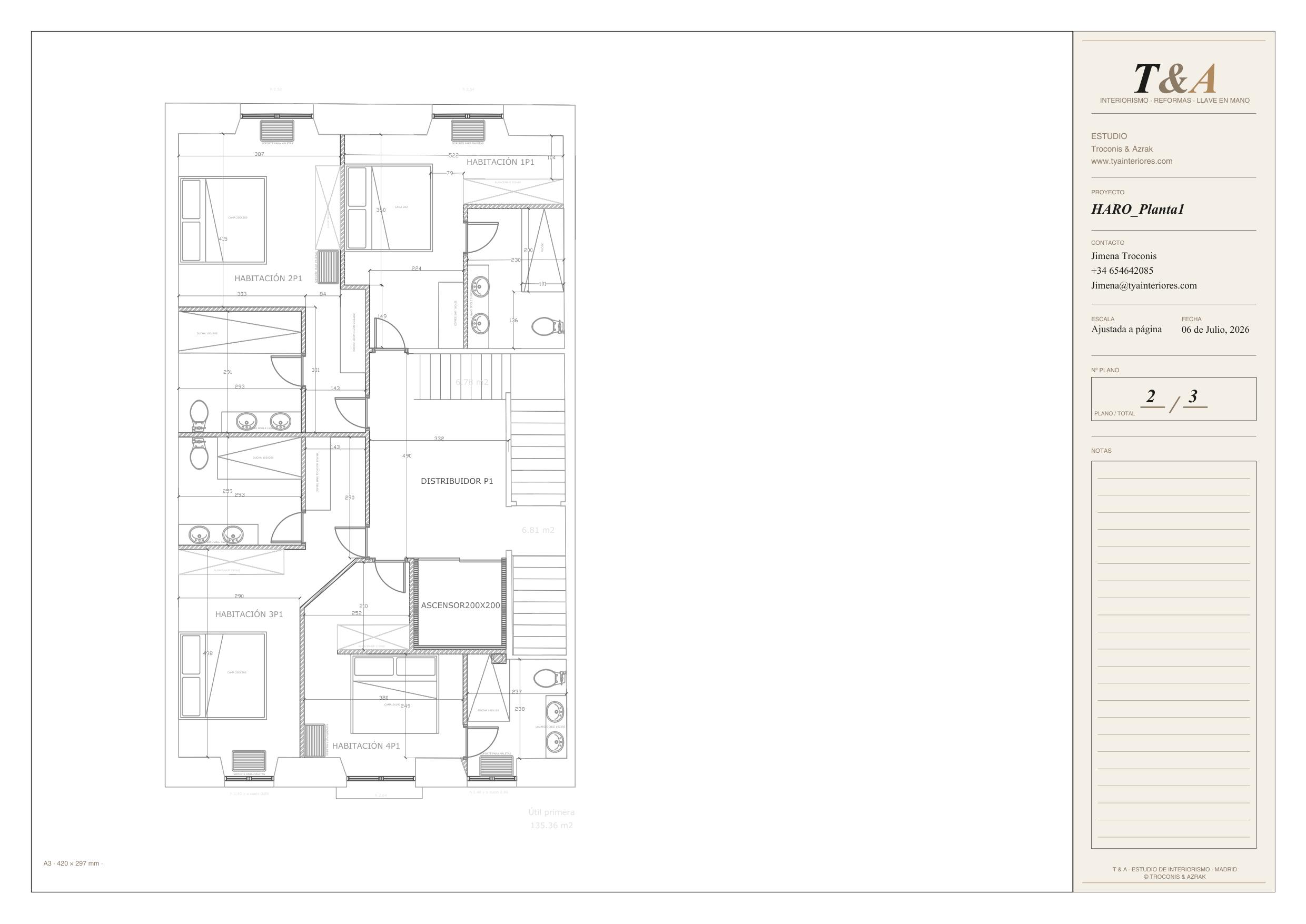
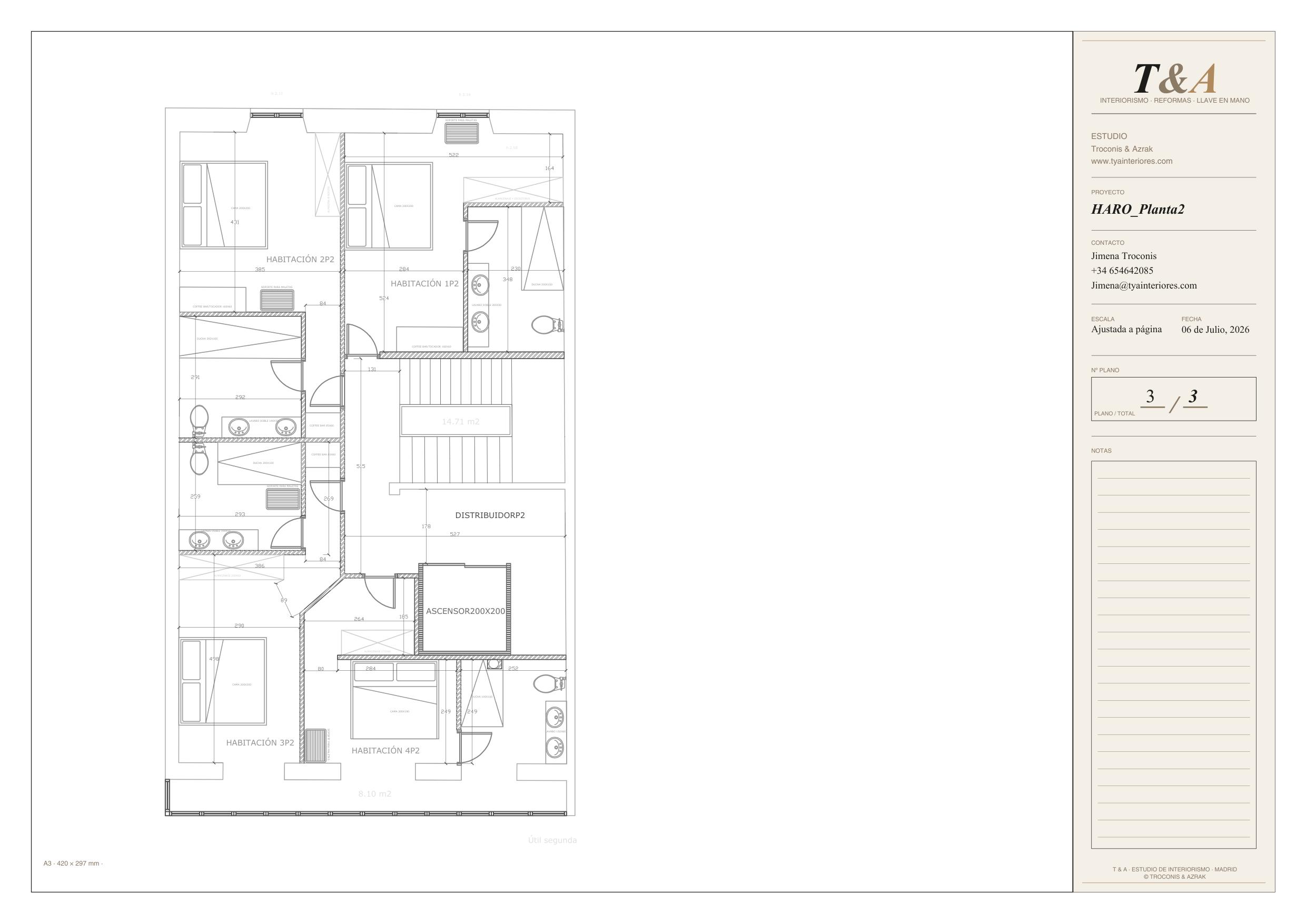
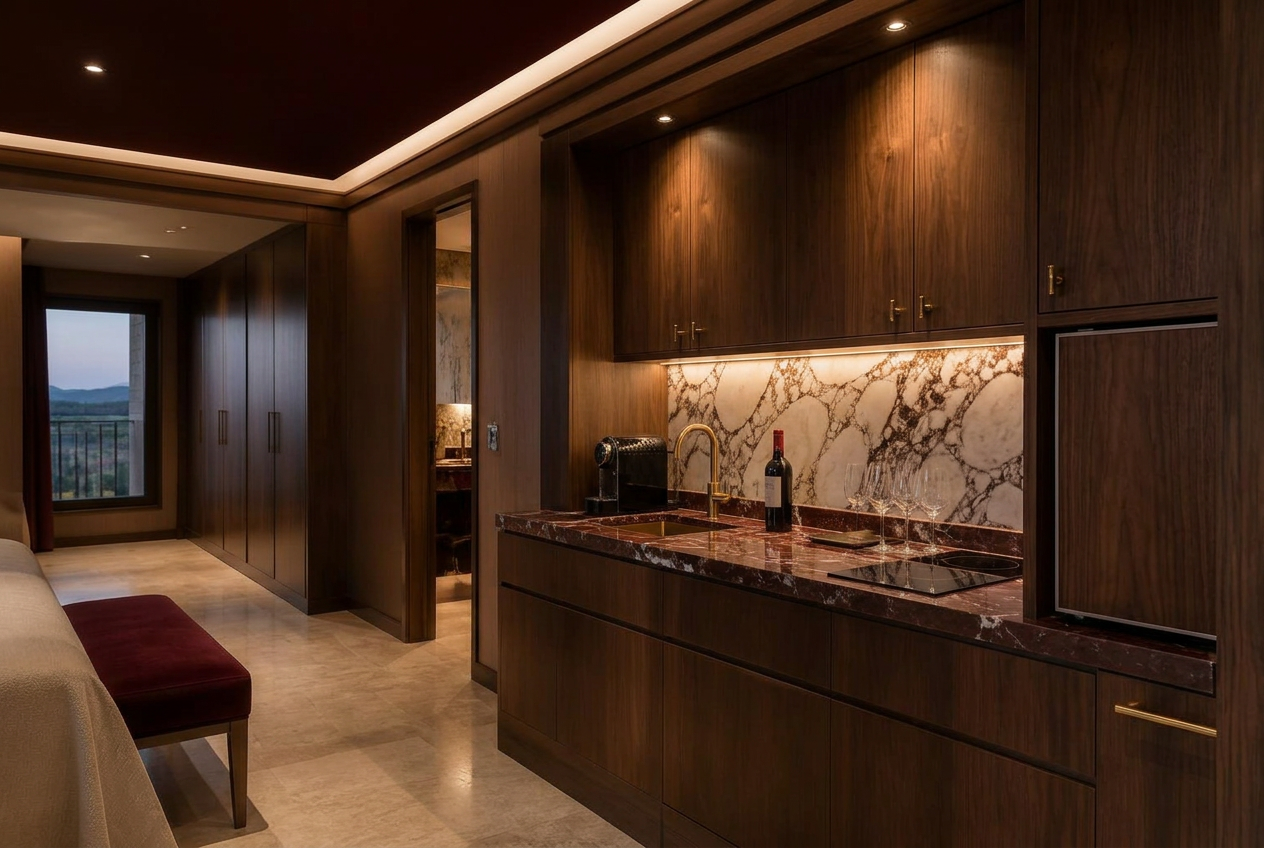
Each unit is planned with a king-size sleeping area, a private bathroom and a compact kitchenette — allowing the product to serve both short leisure stays and longer premium weekend visits with greater flexibility than a traditional room-only model.
Click any plan to open the full-resolution image.
01 · The opportunity
Haro benefits from resilient wine-led leisure demand with clear boutique hospitality potential.
As the commercial heart of Rioja Alta, Haro attracts a steady flow of leisure guests drawn by wineries, gastronomy, harvest-season activity and high-value short-stay travel. Demand is not only seasonal but experience-driven, making the market well suited to a differentiated upper-upscale concept rather than a commoditised room product.
Demand drivers
Wine tourism remains the strongest demand engine, supported by destination dining, cellar-door experiences, cultural weekends and event-led travel throughout the year. Haro's appeal is particularly strong for guests seeking a more intimate and design-conscious base than a standard hotel room.
Feeder markets
Haro anchors Rioja Alta wine tourism, drawing steady leisure demand from Madrid, Bilbao and San Sebastián, and international collectors around harvest. Demand is experience-driven as much as seasonal — well suited to a differentiated upper-upscale concept.
Market gap
Local supply includes conventional hotel inventory and digital apartment formats, yet there remains space for a more elevated hybrid model that combines suite-style accommodation, hospitality-led service and curated destination experiences.
Commercial logic
The opportunity is not simply to add keys, but to introduce a more considered product tier within Haro's lodging mix — one that captures both nightly rate premium and higher-value ancillary spend.
02 · Positioning
An upper-upscale suite-led stay shaped around Rioja.
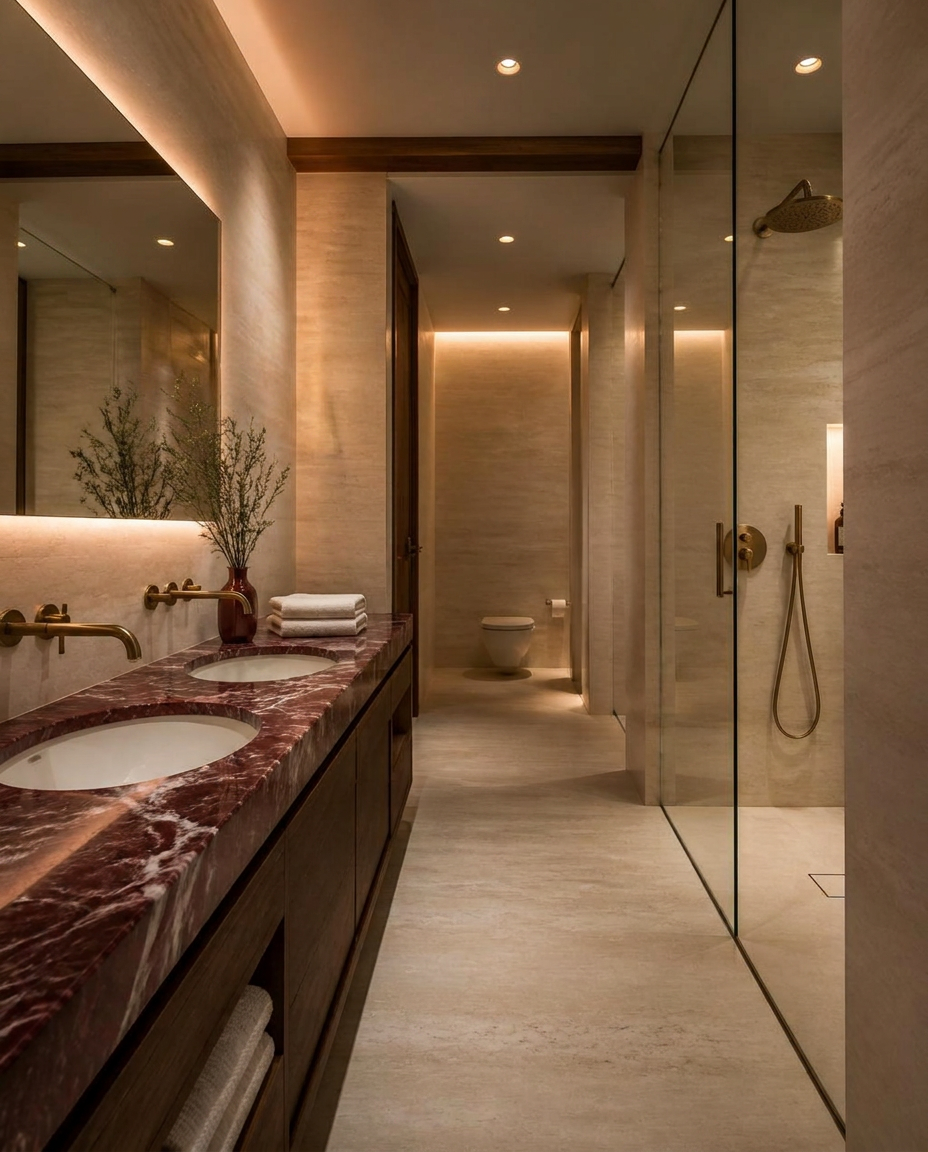
Haro Boutique Suites is positioned between the formality of a classic luxury hotel and the inconsistency often found in short-stay apartment stock. The concept is designed to offer generous suites, refined interiors, seamless digital operations and a hospitality layer tailored to wine-country travel.
Rather than competing on volume, the project competes on product quality, guest comfort and relevance to the destination — the combination of design-led accommodation, operational efficiency and curated Rioja experiences under a single brand proposition.
- Traditional hotel format
- Strong hospitality precedent · standard room typologies · more conventional service
- Digital apartment operators
- Efficient and flexible · often less differentiated in design and service depth
- Haro Boutique Suites
- Suite-based upper-upscale · digital operations · destination-led Rioja concierge
03 · Market benchmarks
Local hospitality benchmarks in Haro.
Haro's lodging market already includes both traditional hotel supply and digital apartment-style operators. Rather than displacing either, Project Haro is designed to occupy a distinct upper-upscale suite-led segment — combining in-room comfort, boutique design and a Rioja-focused hospitality layer.
Established hotel format
Eurostars Los Agustinos
Historic character and traditional hospitality model, well recognised in the local market and typically serving a broader hotel-guest profile.
Digital apartment-style product
Limehome Haro · Calle de la Vega
Centrally located self-service apartments with kitchenette functionality and efficient digital operations, focused on flexibility and price accessibility.
Upper-upscale suite-led hybrid
Project Haro · Haro Boutique Suites
Suite-based concept combining high in-room comfort, boutique design sensibility, a discreet digital operating layer and a Rioja-focused concierge — positioned within an under-served upper-upscale niche.
Benchmarks are shown to illustrate market segmentation and product differentiation. No comparative performance claim is intended.
04 · Product concept
Nine suites, conceived as a contemporary wine-country residence.
The design approach draws on warm, textural materials and a residential sense of comfort. Each suite is intended to feel generous, private and quietly distinctive — refined material language in service of a premium nightly rate and a memorable guest experience, rather than decorative excess.
Nine high-end suites
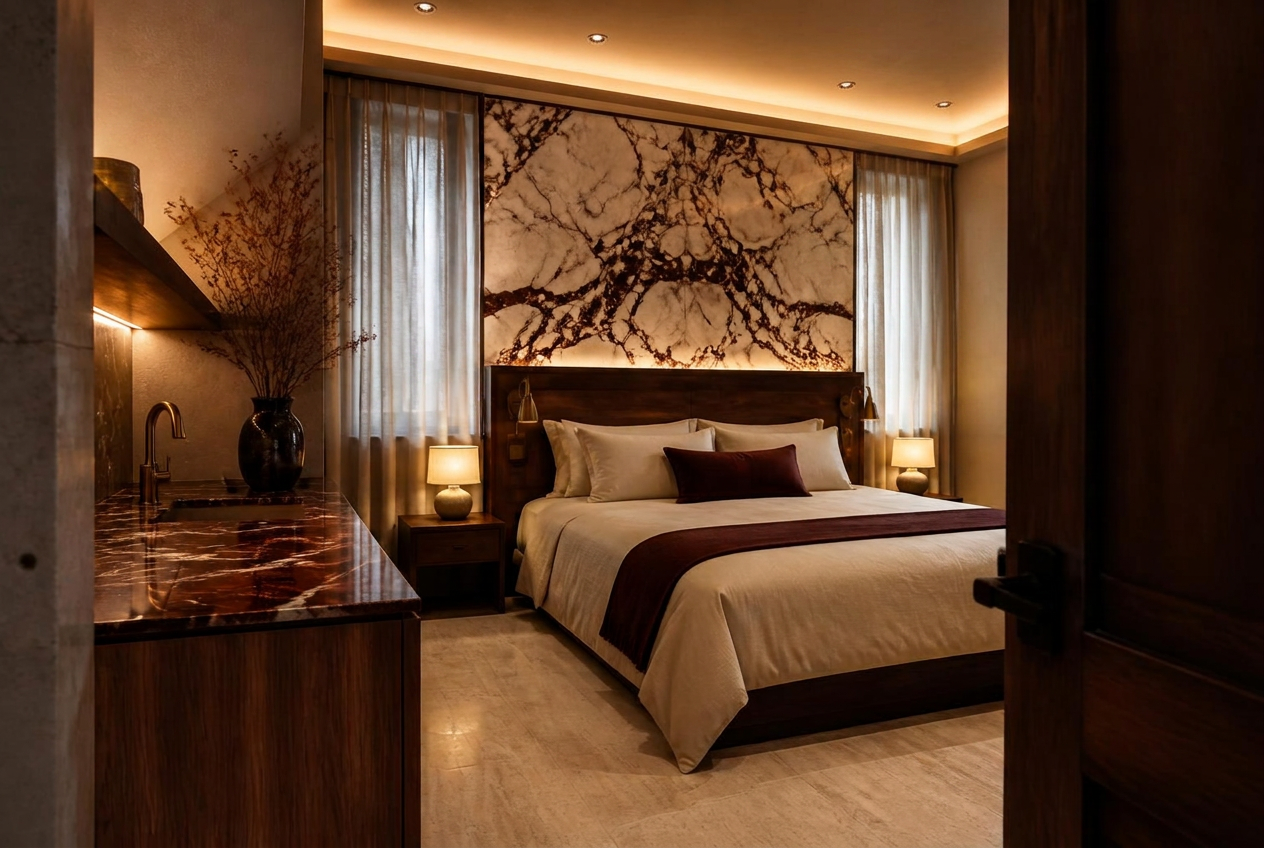
Nine individually composed suites furnished with high-end pieces selected for tactility and comfort — deep beds, generous seating, considered lighting — alongside private bathrooms and a functional in-room kitchenette. Warm, textural materials (Calacatta Viola, Rosso Levanto, walnut and travertine) frame a genuinely premium nightly product.
Digital boutique operations
Mobile-first check-in, smart access, streamlined staffing and centralised guest communication create an efficient operating model without compromising service quality. The guest journey is designed to feel seamless, discreet and contemporary from reservation through departure.
Rioja concierge
The experience layer extends beyond accommodation through winery bookings, private guides, tastings, transfers and tailored itineraries — strengthening both the guest proposition and the property's ancillary revenue potential.
Experience partnerships
Designed to develop a curated local partner network across the historic wineries of Barrio de la Estación, alongside selected gastronomy, driver and guide operators — intended to deepen the guest journey and support premium rate positioning through repeat, high-value stays.
05 · Experience layer
Curated access to Rioja, designed as part of the stay.
The project is built to establish preferred relationships with wineries in and around Barrio de la Estación, alongside selected gastronomy, driver and guide partners. The objective is to shape a more complete guest journey while expanding revenue opportunities beyond room-nights alone.
Experiences may include private winery visits, sommelier-led tastings, harvest-season programmes, destination dining reservations and premium local transfers. Positioned correctly, this layer strengthens both rate integrity and brand distinction.
Partner set
- Historic wineries · Barrio de la Estación
- Private guides & sommeliers
- Chef-led destination dining
- Premium local transfers
- Harvest & event programming
06 · Operating model
A disciplined operating model with clear cost visibility.
The concept is designed around a relatively lean fixed-cost structure, supported by technology-enabled operations and a compact staffing model. This allows management to preserve service standards while maintaining a clearer path to break-even than a heavier full-service format.
- Building rent
- €4,500 / mo
- Management & staff
- €6,000 / mo
- Electricity
- €1,500 / mo
- Water
- €800 / mo
- Other operating
- €4,000 / mo
- Total fixed
- €16,800 / mo
- Variable cleaning
- €10 / occupied night
- Available room-nights
- 3,285 / yr
Operating note
Annual fixed operating costs are estimated at €201,600. Under the base case, the property is underwritten at 60% occupancy and a €150 ADR, with additional upside from ancillary guest services and concierge-led revenue.
07 · Commercial edge
Ancillary revenue supports both margin and differentiation.
Beyond accommodation income, the project is structured to capture higher-value ancillary spend through curated winery access, tastings, private guides, transfers and selected premium partnerships. The result is a more destination-led offer and higher revenue quality than pure room-night performance.
08 · Underwriting scenarios
Scenario underwriting across downside, base and upside cases.
The following scenarios frame potential operating outcomes under three demand and pricing environments. They are underwriting cases rather than forecasts, based on a €600,000 investor commitment held over a 20-year lodging contract with EBITDA distributed annually — no leverage, no terminal value, no reinvestment assumed.
Low case
6.5%
Cash-on-cash / yr
- EBITDA / yr
- €38,731
- Payback
- 15.5 yrs
- 20-yr cumulative
- €0.77M
- Money multiple
- 1.29×
A conservative underwriting reference in which the property ramps gradually to 50% annual occupancy and ancillary contribution remains modest. Presented as a downside sensitivity, not a target operating plan.
Base case
21.3%
Cash-on-cash / yr
- EBITDA / yr
- €127,557
- Payback
- 4.7 yrs
- 20-yr cumulative
- €2.55M
- Money multiple
- 4.25×
A stabilised operating year with consistent upper-upscale positioning, healthy weekend and shoulder-season demand and a more developed ancillary revenue layer. The core reference case for evaluating operational viability.
High case
49.6%
Cash-on-cash / yr
- EBITDA / yr
- €297,360
- Payback
- 2.0 yrs
- 20-yr cumulative
- €5.95M
- Money multiple
- 9.91×
Stronger rate acceptance, higher occupancy capture and fuller monetisation of the concierge and destination-experience layer. Represents an upside case rather than a forecast.
| Metric | Low | Base | High |
|---|---|---|---|
| Occupancy | 55% | 60% | 75% |
| ADR | €130 | €150 | €170 |
| Occupied nights | 1,807 | 1,971 | 2,464 |
| Ancillary uplift | 10% | 18% | 25% |
| Room revenue | €234,910 | €295,650 | €418,880 |
| Ancillary revenue | €23,491 | €53,217 | €104,720 |
| Total revenue | €258,401 | €348,867 | €523,600 |
| Cleaning cost | €18,070 | €19,710 | €24,640 |
| EBITDA | €38,731 | €127,557 | €297,360 |
| EBITDA margin | 15.0% | 36.6% | 56.8% |
| Payback on €600k | 15.5 yrs | 4.7 yrs | 2.0 yrs |
| Cash-on-cash / yr | 6.5% | 21.3% | 49.6% |
| 20-yr cumulative EBITDA | €0.77M | €2.55M | €5.95M |
| 20-yr money multiple | 1.29× | 4.25× | 9.91× |
The base case is built around a stabilised operating year at 60% annual occupancy and a €150 ADR, meaningfully reinforced by concierge and winery-visit revenue. Downside and upside cases frame the surrounding range rather than serving as targets.
09 · Investment ask
€600,000 to deliver fit-out, launch and opening runway.
The capital raise funds the transformation of the asset into a premium nine-suite hospitality product — physical works, operating infrastructure, pre-opening preparation, brand launch and initial working capital — sized to support both completion and a stable opening period.
- Construction & fit-out
- €400,000
- Furniture, fixtures & equipment
- €100,000
- Opening working capital
- €50,000
- Branding & launch marketing
- €15,000
- Pre-opening payroll & training
- €12,000
- Licences, legal & professional fees
- €12,000
- Technology & operating systems
- €11,000
- Total capital sought
- €600,000
10 · The ask
€600,000 committed against a 20-year lodging contract.
1
Secure the building
Finalise floor plans, licensing pathway and renovation scope with the design team.
2
Validate pricing
Continuous OTA benchmarking, weekend and event-driven compression analysis, and calendar segmentation.
3
Close the round
Agree the instrument, governance framework, reporting cadence and exit mechanics with committed investors.
The deal structure remains open — equity, shareholder loan, profit share or a hybrid instrument with preferred return. Final terms and tax treatment will be reviewed with investors before commitment.
11 · Investor structure
Capital structure and investor repayment mechanics.
The €600,000 is intended to fund fit-out, opening, systems, launch and working capital for the project vehicle. Operating cash flow is applied first to core property obligations — rent, payroll, utilities, cleaning, operating expenses, taxes and prudent operating reserves. Distributable cash flow after these obligations is then available for investor distributions in accordance with the final legal instrument.
Proposed distribution waterfall
- 1 · Operating expenses and prudent reserves.
- 2 · Investor preferred or agreed annual distribution.
- 3 · Return of investor capital over the contract term.
- 4 · Residual profit split, if applicable under final documents.
Framework, not a fixed promise
Until the legal structure is finalised, these mechanics are presented as a proposed framework. Final investor economics, legal instrument, governance rights, security package and exit provisions will be documented in definitive transaction documents.
Scenario returns shown throughout this document are illustrative underwriting cases. Actual returns depend on occupancy, ADR, operating execution and market conditions. No forecast should be interpreted as a guaranteed return, and nothing in this document constitutes a legally binding offer.